Hurricane Season Preparation Florida: A First-Day Property Checklist After Wind and Rain
Florida storm damage has a way of revealing itself in layers. The broken fence or missing shingles get your attention first. The real trouble often shows up later, after the yard drains, the power steadies, and the indoor air starts to feel heavy. In Central Florida, that matters more than many people realize. Heat, humidity, afternoon storms, and a long hurricane season create perfect conditions for small problems to become expensive ones.
Florida’s official hurricane season runs from June 1 through November 30, and the smartest hurricane season preparation Florida property owners can do starts before the first named storm. That said, the first day after wind and rain is when good preparation either pays off or falls apart. If you own a home, manage rentals, or handle a commercial site, those first hours are when you decide whether you are dealing with a manageable cleanup or a much larger restoration job.
I have seen people lose days because they focused on the dramatic damage and missed the quiet stuff. A roof leak over a closet. Water creeping under vinyl plank. Damp drywall behind a bookshelf. In Florida, moisture does not sit politely and wait. It spreads. It wicks. It gets into insulation, baseboards, cabinets, and the air itself. That is why a practical water damage checklist matters so much on day one.
What matters most in the first 24 hours
The first day is about safety, moisture control, and documentation. Not cosmetic cleanup. Not deep repairs. Not tearing half the building apart because you suspect damage behind a wall. You are trying to answer three questions quickly and calmly.
First, is the property safe to enter and occupy?
Second, where did water get in, and how far did it travel?
Third, what needs to happen immediately to stop conditions from getting worse?
That sounds simple, but storm damage can scramble judgment. People want to save rugs, move furniture, wipe down counters, and get life back to normal fast. Some of that is fine. Some of it wastes precious time when your real problem is trapped moisture in a wall cavity or ceiling assembly.
For a property manager water damage situation, speed matters even more. Tenants are stressed, owners want updates, and every hour that passes can affect flooring, drywall, odors, and indoor air quality Florida buildings already struggle with during humid months. The job is not just to react. It is to triage.
Your first-day property checklist
Use this as your starting point after wind and rain:
-
Check for immediate hazards before spending time inside. Look for structural instability, active ceiling sag, standing water near electrical systems, broken glass, or exterior debris that may have damaged walls, windows, or roof areas.
-
Document visible damage early. Take clear photos of rooms, ceilings, floors, exterior elevations, and any personal or business property affected before moving too much around.
-
Stop new water from entering if you can do it safely. Temporary measures matter, whether that means isolating an area, protecting contents, or arranging emergency service.
-
Remove wet items that trap moisture against surfaces. Rugs, cushions, cardboard boxes, and damp textiles can hold water close to floors and walls and raise humidity indoors.
-
Start drying the structure, not just the surface. Fans alone are rarely enough in Florida humidity. Serious moisture issues often call for dehumidification and air scrubbers, depending on conditions and what was affected.
That last point gets skipped all the time. A floor can look dry and still be pushing moisture into the room. A wall can feel only slightly cool to the touch while insulation behind it is wet. Drying is about the building materials, not appearances.
The hidden damage that follows storm water indoors
After a storm, people usually notice what they can see and smell. Ceiling stains. Warped trim. Wet carpet. A musty odor in a back bedroom. Those clues matter, but they are only part of the story.
Water moves in ways that surprise people. It runs down framing. It follows low points under flooring. It collects in wall bottoms and behind cabinets. In older Florida homes, especially those with a long patchwork history of repairs, additions, or previous leaks, storm water often finds preexisting weak points. That is one reason a home inspection older homes Florida buyers rely on may catch concerns before ownership changes hands, but storm conditions can still expose things no one knew were vulnerable.
Commercial properties add another layer. Flat or low-slope roof systems, larger HVAC zones, long corridors, vacant suites, and storage rooms can hide moisture for days. If you manage offices, retail spaces, or mixed-use properties, do not assume that one leak equals one wet spot. Walk farther than you think you need to walk. Open the rooms nobody uses. Check the suite next door if water could have traveled through shared assemblies.
Mitigation vs remediation, and why the difference matters
A lot of confusion starts here. People hear both terms and use them as if they mean the same thing. They do not.
Mitigation vs remediation is really a question of timing and scope. Mitigation is the urgent work that helps stop immediate damage from spreading. Think emergency extraction, stabilizing wet areas, setting drying equipment, protecting unaffected contents, and lowering indoor humidity. Remediation is the corrective work that addresses contamination or damaged materials that cannot simply be dried and left in place.
That distinction matters because many storm losses begin as mitigation jobs and later become remediation jobs if moisture sits too long or contamination is present. Mold is the most common example people recognize, which is where commercial mold remediation often enters the conversation. If water intrusion is not addressed quickly and correctly, the building may need more than drying. It may need selective removal, cleaning, containment, and controlled restoration work.
The terms also matter for decision-making on day one. If your focus is only on “cleaning up,” you may miss the need for proper drying. If your focus is only on “tearing out everything,” you may remove materials that could have been preserved with timely mitigation. Good judgment lives between those extremes.
Mold myths that cause expensive delays
Florida’s moisture reality has created a lot of bad habits and half-true advice. Some mold myths are harmless. Others cost property owners real money.
One of the biggest myths is that if you do not see mold, you do not have a moisture problem. That is backwards. Moisture comes first. Florida health guidance emphasizes looking for signs of moisture or water damage, and it does not recommend mold testing or sampling as the first step. That lines up with what experienced restoration professionals see every storm season. If materials are wet, the first priority is drying and correcting the water issue, not jumping straight to lab reports.
Another common myth is that bleach solves everything. It does not solve trapped moisture inside porous materials, and it does not turn a damp wall cavity into a dry one. Then there is the belief that a room is fine because the AC is running again. Air conditioning helps with comfort, but after a storm loss it may not be enough to bring affected materials back to a dry standard, especially during humid weather.
A final myth worth retiring is that musty odor is only a nuisance. Odor tells you something is happening. It may point to damp materials, microbial activity, or poor air movement. It is a signal, not just an annoyance.
Why drying in Central Florida needs more than a few fans
People often underestimate how stubborn moisture can be in Lake County and the surrounding area. Groveland, Clermont, Minneola, Mascotte, Howey-in-the-Hills, Mount Dora, and Leesburg all share the same broad headache during storm season: warm air that already carries a lot of moisture, followed by heavy rain and buildings that may stay closed up while owners deal with power issues, travel, or evacuation.
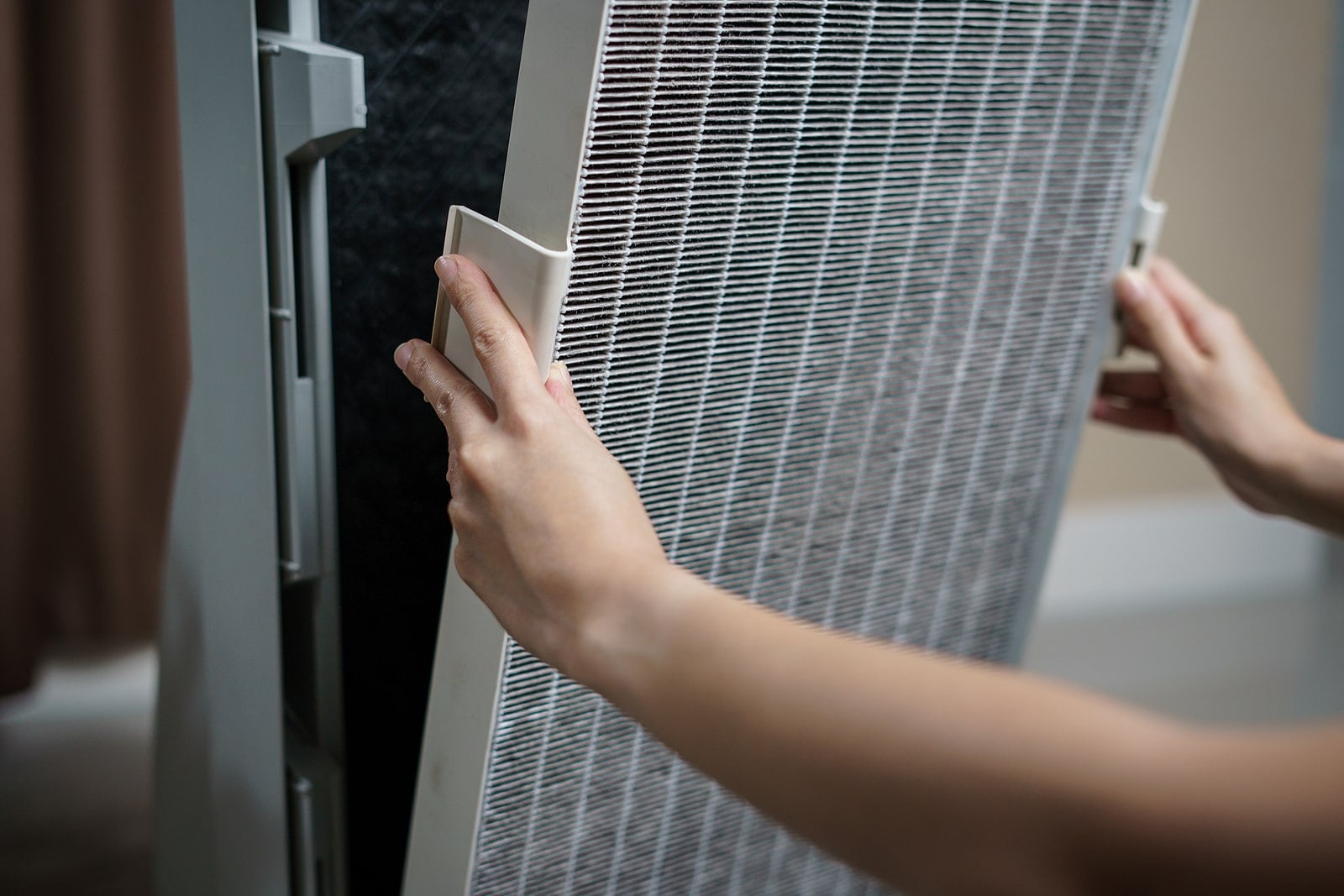
That is where dehumidification and air scrubbers come up in real conversations. They are not magic machines, and they are not needed in every single scenario. But when indoor humidity spikes and materials stay damp, active drying becomes more than a convenience. It becomes the difference between a controlled event and a lingering one.
Dehumidification reduces moisture in the air so wet materials can release moisture more effectively. Air scrubbers address airborne particulates under certain conditions. They are not interchangeable, and they solve different problems. I have walked into properties where owners rented fans from a hardware store, ran them all weekend, and accidentally made conditions feel worse because the air was warm, humid, and still holding all that moisture. The room sounded busy, but the structure was not drying the way they hoped.
That is also where indoor air quality Florida property owners worry about starts to overlap with restoration. When damp materials, dust, disturbed debris, and HVAC cycling all mix together, occupants notice. Some describe it as stale air. Others call it a wet smell, a dirty AC smell, or a sour odor that will not leave. You do not need dramatic visible damage for indoor air quality concerns to become real.
Smoke odor removal sometimes enters the picture too
After major storms, not every odor issue comes from water alone. Generator mishaps, electrical events, and small fire incidents can leave lingering smells even when visible fire damage seems minor. Smoke odor removal is a different problem from moisture drying, but the two sometimes overlap in post-storm cleanup.
That overlap can fool people. They focus on the burnt smell and miss the wet insulation, or they focus on the wet drywall and ignore soot or smoke residues that can continue affecting occupied areas. Odor work is rarely as simple as spraying a fragrance and opening windows. If a property has both water and smoke-related issues, it needs a more thoughtful plan than either issue alone.
What property managers should do differently
A homeowner can make decisions room by room. A property manager usually has to think across units, liability, occupancy, vendor coordination, and communication. That changes the pace and the standard.
For a property manager water damage event, the first-day goal is to create a clear record and a controlled response. Who reported what, when it was discovered, which units or suites were affected, and whether damage appears active or stabilized, all of that matters. It also helps to remember that tenants often underreport subtle symptoms. They will mention the leak in the living room and forget to mention the closet that smells musty, the rear office where the carpet squishes, or the break room ceiling stain that “has probably been there.”
Older multifamily and commercial buildings can be especially tricky. Water may move between units. Shared chases and utility penetrations can spread moisture well beyond the point of entry. If your building stock includes older properties, treat storm response like an investigation, not a quick mop-up job.
Older buildings need one extra layer of caution
Storm recovery and renovation sometimes collide. A roof leak becomes a ceiling repair. A soaked wall becomes a remodeling decision. A damaged suite becomes a larger update. When that happens, there is one phrase that matters more than people expect: asbestos survey before renovation.
Florida regulates asbestos work through licensure and abatement rules, and the state framework is designed to minimize fiber release during demolition and renovation. The details vary by building type and project, and some single-family homes or small residential buildings may be exempt depending on the work. Even so, if storm repairs are pushing a project from basic drying into demolition or renovation territory, older materials deserve caution.
This is not a place for guesswork. Florida’s licensing structure requires qualified asbestos professionals and businesses to meet training, experience, examination, and business qualification requirements. That should tell owners and managers something important. If suspect materials might be disturbed, bring in the right licensed professionals before turning a repair into a much bigger problem.
That issue tends to show up more often in commercial settings, older residential buildings, and renovation-heavy recovery projects. It is not the first thing you do after wind and rain, but it can become the next critical decision once emergency conditions are stable.
The local rhythm of storm season changes how you respond
People outside Central Florida sometimes imagine hurricane damage as an all-or-nothing event. In reality, many properties take repeated smaller hits. Afternoon storms, wind-driven rain, overloaded drainage, AC strain during humid stretches, then a tropical system on top of all that. The damage pattern can be cumulative.
A home or commercial site in Lake County may not look catastrophic after one storm, but if the building already had minor vulnerabilities, the next event pushes it over the edge. A window seal that barely held in June leaks in August. A patched roof area that survived one squall fails during a stronger wind event. An HVAC system that ran hard through summer starts struggling to keep humidity down after infiltration.
That is why hurricane season preparation Florida owners talk about should include an honest view of building condition before the season starts. You cannot fix every weak point at once, but you can identify the likely failure points. Roof transitions, window perimeters, old caulk joints, previous repair areas, neglected storage rooms, and under-ventilated spaces deserve more attention than they usually get.
NOAA advises preparation before the season starts, and that advice is practical, not abstract. Once a storm is already moving through, your options shrink fast.
When emergency help is worth calling immediately
Some storm losses are manageable with a measured response. Others are https://safehome829.nexorafield.com/posts/hvac-mold-remediation-in-humid-central-florida-how-leaks-and-condensation-fuel-mold-growth not. If water entered multiple rooms, if ceilings are compromised, if the HVAC system may be affected, or if a commercial property has widespread damp materials, waiting can turn a short response window into a long restoration project.
That is where local emergency service becomes part of the equation. In this region, people often look specifically for 24/7 emergency cleanup Lake County support because timing matters overnight and on weekends just as much as it does on a weekday morning. A delayed response in Florida weather can cost far more than many owners expect.
EnviroTech Solutions is based in Groveland and serves Lake, Orange, Seminole, and Osceola counties, which reflects how regional storm response actually works. Damage rarely respects municipal lines, and weather patterns that hit Groveland often affect neighboring communities in similar ways. What matters most is not the logo on the truck, but whether the response understands local humidity, older housing stock, commercial building needs, and the difference between surface cleanup and true drying.
A few judgment calls that make a big difference
Not every wet material has to be discarded immediately. Not every damp smell means major contamination. Not every visible stain is new. Experience matters because storm response is full of gray areas.
Here are a few of the calls that tend to separate a smart first day from a chaotic one:
-
Do not assume the worst, but do not downplay moisture because the damage “looks minor.” Small intrusions in Florida can become large indoor air and mold issues if ignored.
-
Do not rush into demolition if drying and inspection can preserve materials safely, especially in older properties where disturbing building components can create separate regulatory concerns.
-
Do not rely on smell alone. Some heavily affected spaces have very little odor at first, while other spaces smell strong from relatively limited moisture.
-
Do not treat mold testing as the opening move when obvious moisture or water damage is already present. Address the moisture source and drying needs first.
-
Do not forget the contents. Upholstered furniture, paper records, inventory, and stored fabrics can influence humidity, odor, and recoverability more than the building owner expects.
That last point gets missed in both homes and businesses. A back office full of damp file boxes can keep a room feeling wet long after the visible floor dries. A guest bedroom packed with textiles can hold odor for days. In retail spaces, cardboard packaging and fabric stock can become secondary moisture reservoirs.
The steady approach beats the dramatic one
The properties that recover best after wind and rain are usually not the ones with the biggest budgets. They are the ones with the calmest first-day decisions. Safety first. Moisture control second. Documentation throughout. Then smart choices about mitigation vs remediation, content handling, and any next-step concerns such as commercial mold remediation or an asbestos survey before renovation if repairs move into demolition territory.
Storm season in Florida has its own rhythm, and anyone who owns or manages property here eventually learns it. The damage you can see matters. The moisture you cannot see often matters more. If your first-day response respects that, you give the building its best chance to recover cleanly, protect indoor air quality Florida occupants actually feel, and avoid turning a hard week into a much longer project.