Floodwater or Sewage? How to Understand Contamination Risks During Lake County Cleanup
After a major storm or indoor water event, one of the first questions people ask is simple: what exactly got into the house?
That question matters more than most people realize. Water from a broken supply line is one thing. Water that moved through a yard, street, drain, or backed-up plumbing system is something else entirely. In Lake County, including Groveland, heavy rain, hurricane season, and humid conditions can turn a straightforward cleanup into a much more complicated contamination problem. If the water carried mud, waste, bacteria, or debris from outside, the job is no longer just drying. It becomes a health and safety issue.
I have seen homeowners lose valuable time because the water looked like “just floodwater” when it had already mixed with sewage or other contaminants. I have also seen the reverse, where people assumed the worst and threw out materials that might have been handled differently if the source had been identified early. The best cleanup decisions usually come from slowing down, looking at how the water entered, and treating uncertainty seriously.
Why the source of water changes everything
Not all water damage is equal. A small plumbing leak under a sink may damage cabinets and flooring, but the contamination profile is usually very different from water that entered during a storm or from a sewer backup. Once water travels across soil, streets, landscaping, drain areas, or through a backed-up waste line, the risk level rises quickly.
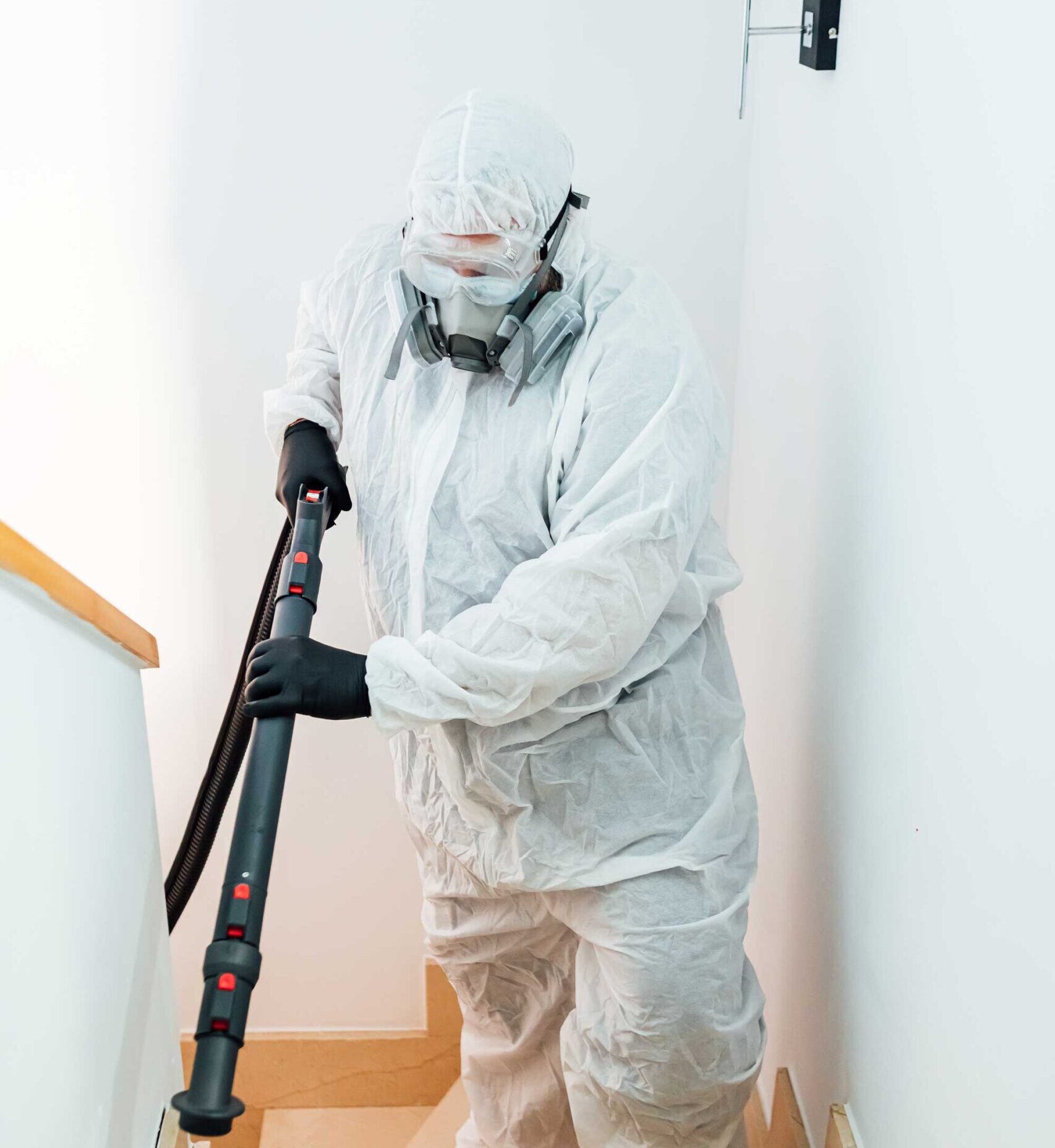
Federal flood guidance treats flooded homes as potential contamination sites for good reason. Flooded structures can contain both mold and sewage. That means the cleanup plan should start with safety, utilities, and reentry risks before anyone begins pulling up flooring or carrying soaked boxes to the curb.
This is where people sometimes get tripped up. They focus on the visible mess and not the pathway the water took to get there. A few inches of water in a living room can come from very different causes. If it entered from wind-driven rain through a roof opening, the contamination concerns may center on moisture intrusion and later mold. If it rose from outside after heavy rainfall and moved through the yard and threshold, that same room may now contain dirt, chemical residue, and possibly sewage. If a toilet, drain, or main line backed up, the contamination risk read more is more direct.
The practical result is that cleanup methods, what can be saved, what should be isolated, and when professionals should step in all depend on identifying the source.
How to tell whether you may be dealing with sewage
Sometimes sewage contamination is obvious. There may be a strong foul odor, dark residue, solids, or visible backup from toilets, tubs, or floor drains. But it is not always that clear. During storms, floodwater can overwhelm systems and mix with waste outside the home. Water entering through low doors, garages, or slab-level openings may carry contamination that is not immediately visible.
A homeowner once described a situation to me as “just muddy water in the laundry room.” The problem was that the water had also emerged near a floor drain after a period of heavy rain. By the time the family started mopping, the water had already reached adjoining rooms. It was a good example of why smell alone is not enough. If stormwater and drainage systems are involved, caution is the smart starting point.
You do not need to diagnose the exact contaminant to make better early decisions. If the water came from outside flooding, a drain backup, a toilet overflow involving waste, or any event where wastewater may have mixed in, treat it as potentially contaminated until proven otherwise. CDC guidance on sewage backups is clear that these events can create health hazards and that affected areas should be isolated during cleanup.
The first hours inside the house
The first impulse after water damage is usually to rush in and start saving things. That instinct is understandable, but the first hours should be more deliberate than dramatic. FEMA and CDC recovery guidance put reentry safety first, and that is the right sequence.
Before cleanup starts, think about whether utilities are safe, whether the structure is stable enough to enter, and whether contamination may spread if people walk through the space. A wet house can become more dangerous with every trip in and out. Shoes track contamination. Fans used too early can move dirty residue around. HVAC systems can pull moisture and particles into ductwork if they are run before the home is properly assessed.
This is especially relevant in Central Florida, where people rely heavily on air conditioning to control indoor humidity. Florida health guidance notes that if a central AC system is being used to lower humidity below 60 percent, the system should be examined for problems. That matters because after flooding or heavy moisture exposure, the system itself can become part of the problem. I have seen homes where the visible water was removed, but damp duct areas or drain-pan issues helped feed mold later. In that kind of case, HVAC mold remediation may be part of the larger recovery plan, not a separate issue.
What floodwater can leave behind, even after surfaces look clean
One of the trickiest parts of storm cleanup is that contamination does not always announce itself. When the standing water is gone, people often assume the danger left with it. In reality, floodwater can leave behind residue in porous materials, beneath flooring, inside wall cavities, and in low-lying mechanical spaces.
Drywall, insulation, paper goods, upholstered furniture, and some engineered wood products are especially vulnerable because they absorb water quickly. Once contaminated water enters those materials, cleaning becomes less about appearances and more about whether the material can be reliably restored. Sewage cleanup in particular is not a cosmetic service. It is about removing hazardous residue and preventing people from continuing to live with contamination they cannot see.
Odor is often one of the last clues people notice and one of the least reliable indicators early on. Some contaminated materials do not smell much at first. Others smell strongly for a day or two and then fade, which leads people to think the issue has passed. It has not. Odor removal only makes sense when the source problem has been addressed. Covering the smell without removing contaminated materials or drying hidden moisture usually leads to repeat problems.
Mold rarely waits for perfect conditions
In Groveland and the rest of Lake County, warm temperatures and humidity can turn a wet home into a mold problem faster than many owners expect. Florida health guidance is straightforward on this point: mold grows when moisture is present. Common sources include roof leaks, plumbing leaks, condensation, flooding, poor bathroom or kitchen ventilation, and HVAC or drain-pan problems.
That list mirrors what shows up after storms. Even when a house did not take on deep standing water, wind-driven rain, a roof leak, wet insulation, or prolonged indoor humidity can be enough to start growth. That is why water damage cleanup in Central Florida often overlaps with mold removal Groveland homeowners end up needing a week or two later.
The part that is often missed is this: visible mold or recurring mold usually means the underlying moisture source still has not been fixed. Wiping surfaces and spraying products might make a room look better for a short time, but if wet drywall, trapped humidity, or a compromised AC system remains, the mold returns. Florida health guidance specifically points to the moisture source as the real target. If you skip that step, you are not solving the problem, only interrupting it.
This is also where an experienced remediation company Lake County property owners trust can make a real difference. Not because every job needs a huge scope, but because someone has to look past the obvious wet carpet and ask harder questions. Did water enter wall cavities? Is there condensation around ducts? Did the return system pull humid air from a damaged space? Is the drain pan functioning? Those details matter.
Older homes can carry a second layer of risk
Flood and sewage events sometimes trigger renovation work, selective demolition, or major tear-out. That is when older materials become part of the conversation.
If a home was built before 1978, EPA guidance says renovation, repair, or painting can disturb lead-based paint. And when demolition or renovation work affects asbestos-containing materials, EPA guidance says applicable rules apply. In practical terms, that means a storm cleanup can shift into a hazardous-materials situation if older flooring, ceiling materials, textured finishes, or insulation-related components need to be removed.
This is particularly important when walls, ceilings, or flooring have to come out because of contamination or prolonged moisture. A homeowner may think they are simply gutting damaged material after flooding, but once the work disturbs older building components, the risk profile changes. That is why Groveland FL asbestos testing can become relevant during post-storm restoration, even when the original call was for water extraction. The same goes for asbestos abatement Lake County properties may require before broader repair work can safely continue.
It is not alarmist to mention this. It is practical. Water damage often exposes hidden conditions. A careful contractor or restoration team should recognize when the job is moving beyond drying and cleaning into regulated material disturbance.
When cleanup is manageable and when it is not
There is no prize for handling a contaminated cleanup alone. Some limited water events can be managed by owners, especially when the water source is clearly clean and the affected area is small. But once floodwater, sewage, recurring moisture, widespread saturation, or HVAC involvement enters the picture, the margin for error narrows.
Here is a simple way to think about the decision:
- If the water came from outside flooding, a drain backup, or a waste-related overflow, assume contamination.
- If porous materials stayed wet for an extended period, assume mold risk is rising.
- If the HVAC system ran during or after the event, consider that moisture or contaminants may have spread.
- If older materials must be cut, sanded, or removed, ask whether lead or asbestos concerns apply.
- If you are unsure what the water touched or where it traveled, do not guess from appearance alone.
That short checklist catches most of the situations where emergency restoration services make sense. A good response is not just about speed. It is about controlling spread, documenting damage, and making sure the cleanup path matches the type of loss.
Documentation is not busywork
People are often exhausted after a storm or backup, so paperwork feels like the least urgent part of the day. Still, insurance and recovery guidance consistently point to documentation as an early priority. FEMA advises homeowners to document damage and coordinate with their insurer during cleanup and repairs after flood, storm, smoke, or fire events. NAIC consumer guidance also reminds homeowners that insurance is a legal contract, and that questions, coverage details, and inventories matter.
That becomes especially important when contamination affects what can be cleaned versus what must be removed. Take pictures before disposal when it is safe to do so. Save records of damaged contents. Keep notes on where water entered and how high it rose. If an adjuster or carrier later asks why materials were removed, that early documentation helps explain the decision.
The same mindset applies after fire and smoke incidents. While this article focuses on floodwater and sewage, recovery often overlaps. A hurricane can bring both water intrusion and electrical or structural issues. Separate incidents can happen close together. Fire and smoke damage cleanup follows its own safety logic, and the U.S. Fire Administration notes that the first 24 hours after a home fire are especially important for safety checks, salvaging what is safe, and starting insurance and recovery steps. The broader lesson is the same: get the scene safe, document what happened, and avoid impulsive demolition.
Food, air, and the hidden contamination people forget
Flood cleanup tends to focus on floors and walls, but some of the most important decisions involve the things people consume or breathe.

CDC flood safety guidance says food exposed to flood or storm water should be thrown away. That can be a frustrating loss, especially after a long outage or evacuation, but it is not worth gambling on. The same caution applies to refrigerators or freezers if contamination reached food storage areas.
Air quality is the other blind spot. If a home smells musty, sour, or sewage-like after drying has supposedly begun, pay attention. Those odors often mean water remains in materials, microbial growth is active, or residue has not been properly removed. Odor removal should come after source removal and drying, not instead of them. Otherwise, the smell may subside while the contamination remains in subfloors, trim cavities, or HVAC components.
Generators create another danger point during recovery. CDC guidance warns people to use caution because of fire and carbon-monoxide risks. Every storm season brings stories of people surviving the flood only to create a new emergency while trying to power fans, refrigerators, or lights. Cleanup is tiring, and that is when shortcuts happen. Placement and ventilation matter.
The role of licensed mold professionals in Florida
Florida health guidance notes that mold assessor and mold remediator licensure is handled by the Florida Department of Business and Professional Regulation. That matters for homeowners trying to sort through a crowded post-storm marketplace.
After a widespread weather event, a lot of people show up offering fast cleanup. Some are excellent. Some are not. The issue is not whether a truck has drying equipment. The issue is whether the people making decisions understand contamination boundaries, moisture behavior, HVAC concerns, and when a project needs licensed mold assessment or remediation.
For homeowners in Groveland and across Lake County, that can be the difference between a one-time restoration and an expensive repeat loss. If a contractor tears out damaged material but does not address the active moisture source, you have not really solved anything. If they ignore a contaminated duct system or wet drain-pan issue, indoor air problems may continue long after visible repairs are done.
A realistic sequence for a safer cleanup
A safer recovery usually follows a calm, disciplined order rather than a frantic one. The exact steps depend on the event, but the rhythm tends to be similar. Reentry comes after basic safety concerns are addressed. Documentation happens early. Contaminated areas are isolated rather than trafficked through. Questions about HVAC use, hidden moisture, and affected materials are resolved before the house is buttoned back up.
That sounds simple on paper, but in real homes it rarely feels neat. A family may be staying elsewhere. Kids need clothes. A storm may hit during a week when work deadlines do not stop. Older homes bring surprises. Flooring that looked salvageable on day one starts cupping on day four. A room that seemed dry develops a sharp odor after the AC cycles for two days.
Those are exactly the moments when experience matters. Hurricane damage restoration Florida homes require is often less about heroic cleanup and more about sound judgment, repeated consistently. Knowing when to open a wall, when to stop using the AC, when to ask about asbestos, when to isolate a room, and when to stop trying to save a contaminated item, those are the decisions that protect health and shorten recovery.
The hard truth about “clean enough”
People often want a yes-or-no answer: is this floodwater or sewage, and is the house safe now? Real life is messier. Water events sit on a spectrum, and uncertainty is common in the first day or two. The answer is not to panic. It is to respect the uncertainty.
If there is a reasonable chance wastewater mixed in, treat the event as contaminated. If porous materials stayed wet, expect mold pressure in Florida conditions. If the house is older and demolition is needed, remember the added possibility of lead-based paint or asbestos-containing materials. If the AC is being used to push humidity down, make sure the system itself is not helping spread the problem.
That approach may feel conservative, but it is cheaper than doing the work twice and safer than assuming the best. In Lake County cleanup, the most expensive mistakes usually come from underestimating contamination, not overestimating it.
The good news is that most homes can move toward recovery with the right sequence and the right level of help. Whether the issue ends up being sewage cleanup, mold removal Groveland residents need after prolonged moisture, HVAC mold remediation, odor removal, or a larger water damage cleanup Central Florida property owners face after a storm, the first decision is still the same. Figure out where the water came from, and let that answer guide everything that follows.