After Heavy Rain or Flooding: How Lake County Property Owners Can Assess Moisture, Mold, and Sewage Risks
Heavy rain in Lake County has a way of exposing every weak spot in a property. A roof leak that seemed minor in spring suddenly stains a ceiling after a summer downpour. An HVAC closet that always felt a little damp starts smelling musty. A low room near a garage or patio takes on water after a storm, and by the next day the air feels thick and wrong.
In Groveland and across Central Florida, that pattern is familiar. Heat, humidity, hurricane season, and repeated storms create the kind of conditions where moisture problems move fast. Once water gets in, the real question is not just how to dry the place out. It is how to tell whether you are dealing with ordinary wet materials, active mold growth, contaminated water, sewage exposure, or a combination of all three.
That distinction matters because the response changes. A small clean-water leak and a storm-driven backup are not the same event. A room with visible mold is not just a cleaning project if the moisture source is still active. A building that needs partial demolition may raise a separate concern in older properties, especially if materials could contain asbestos or lead-based paint.

Property owners usually feel pressure to make quick decisions after a storm. Some are trying to protect family members. Some are trying to get a rental unit back online. Some are balancing cleanup with an insurance claim. The best first move is to slow the process down just enough to assess conditions in the right order: safety first, then moisture, then contamination, then the scope of repair.
Start with safe reentry, not cleanup speed
After flooding or major storm damage, the first task is not mopping or tearing out drywall. It is making sure the property is safe to enter and safe to stay in while you inspect it. Federal flood guidance consistently puts reentry and contamination concerns at the front of the process, and that is the right approach.
If utilities were affected, if standing water is present, or if there was storm or fire damage around electrical systems, take that seriously before anyone starts handling materials. The same goes for generators. They can help during a power outage, but they also carry fire and carbon-monoxide risks if used carelessly.
If the property also had smoke or fire impact during the same event, the first day is especially important. Early damage documentation, safety checks, and communication with your insurer can shape the rest of the recovery. That is true whether you need water damage cleanup Central Florida services, fire and smoke damage cleanup, or a broader hurricane damage restoration Florida response after a severe storm.
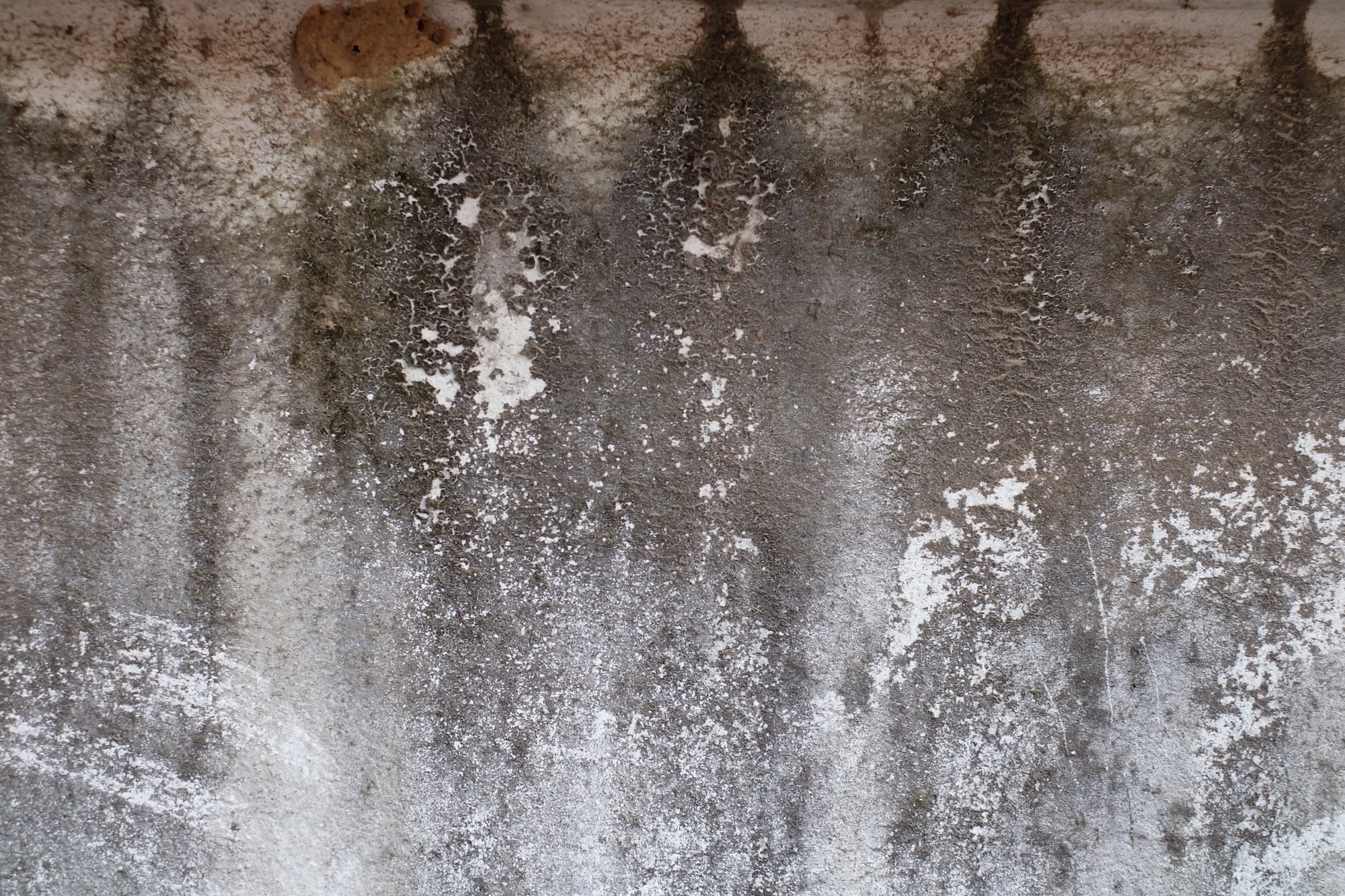
Documentation matters more than many owners realize. Before moving too much, photograph affected rooms, visible water lines, damaged contents, stains, sagging materials, and any obvious contamination. FEMA recovery guidance supports that approach, and insurers typically need a clear record of what happened. If you have to discard unsafe items, especially after flood or sewage exposure, document them first.
What moisture damage usually looks like in the first 48 hours
Fresh water damage is often more obvious than hidden moisture, but https://materialaware627.silverstonebrief.com/posts/from-standing-water-to-mold-risk-in-24-hours-a-central-florida-water-damage-guide-2 both can be present at the same time. Saturated carpet, warped baseboards, wet insulation, stained drywall, and buckled flooring are common signs that water got in. In Florida, humidity adds a complication. Even when standing water is gone, trapped moisture can linger inside wall cavities, beneath flooring, around windows, and in HVAC components.
A lot of property owners assume that if surfaces feel dry to the touch, the risk has passed. That is not always true. Mold grows when moisture is present, and Florida health guidance is clear that the moisture source is the underlying issue. That source might be floodwater, a roof leak, plumbing leakage, condensation, poor bathroom or kitchen ventilation, or an HVAC problem such as drain-pan trouble. In many homes, it is more than one source at once.
A practical inspection should focus on where water would naturally collect or stay trapped. Walk slowly and pay attention to changes in odor, texture, and air quality. A musty smell in one room, a closet that feels warmer than the rest of the house, or a supply vent with discoloration can tell you more than a quick glance at flooring.
Here are five early warning signs that deserve a closer look:
- visible staining, bubbling paint, warped trim, or swollen drywall
- musty or sour odors that persist after surfaces are dried
- condensation or dampness around vents, air handlers, or drain-pan areas
- recurring mold spots on walls, ceilings, or around windows
- water intrusion near bathrooms, kitchens, laundry areas, or roof penetrations
None of those signs proves the full scope of damage by itself. They do tell you that the property needs more than a basic wipe-down.
Why mold often shows up after the water seems gone
Mold is one of the most misunderstood parts of post-storm cleanup. People expect it to appear only after dramatic flooding, but in Lake County it often starts with less obvious moisture. A slow roof leak after heavy rain. Condensation around ductwork. A bathroom that never vents properly during muggy weather. An AC system that is running, but not controlling indoor humidity well enough.
Florida health guidance notes that if a central AC system is being used to lower indoor humidity below 60 percent, the system should be examined for problems. That is a useful rule of thumb in real properties. If the air feels damp despite regular AC use, or if musty odors get stronger when the system cycles on, the HVAC system should be part of the investigation. That is where HVAC mold remediation may become part of the conversation, especially if mold is affecting components tied to air circulation.
One of the clearest indicators that a problem has not been solved is recurring mold. If you clean a spot and it returns, the visible growth was only the symptom. The moisture source is still active, or the affected material never fully dried, or both. That is why surface cleaning alone so often disappoints owners. The room may look better for a week, then smell worse than before.
In Groveland, I often hear people use the phrase “it only happened after that one storm.” Sometimes that is true. More often, the storm revealed an existing vulnerability. The building envelope, the ventilation pattern, the drainage around one side of the property, or the AC performance was already borderline. Heavy rain simply pushed it over the edge.
When that happens, mold removal Groveland homeowners ask for should be tied to a moisture diagnosis, not just a cosmetic cleanup.
Sewage risk changes everything
Flooding is not always just water. That is the point many owners miss when they start salvaging contents too quickly. CDC guidance warns that sewage backups create health hazards, and cleanup should use protective precautions with affected areas isolated during the work. In plain terms, once wastewater contamination is involved, the risk profile changes.
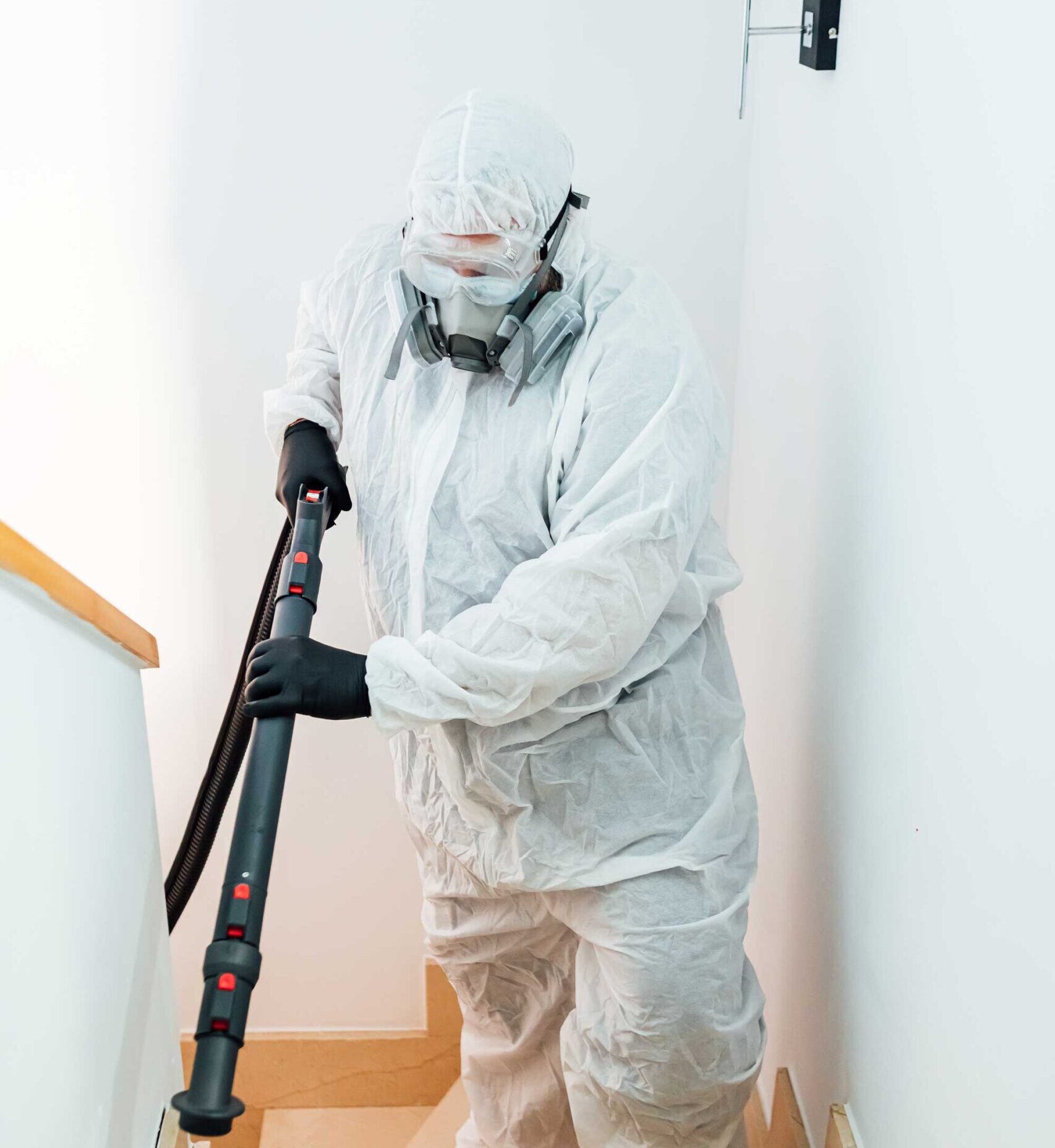
A sewage event can come from a direct backup inside the property, from floodwater carrying contaminants, or from a combination of both. At that point the question is not whether a surface looks dirty. The question is whether porous materials, flooring systems, contents, or lower wall sections were exposed to contaminated water.
This is where people sometimes make expensive mistakes. They try to save upholstered furniture, keep wet cardboard boxes in a garage, or leave contaminated materials in place while running fans. That can spread odor and contamination rather than contain it. Sewage cleanup is one of the clearest situations where a controlled response matters.
Food safety is another issue that gets overlooked during storm recovery. Flood and storm water exposure can make food unsafe, and public health guidance says exposed food should be thrown away. That feels wasteful in the moment, but trying to save questionable food is not worth the risk.
Odor can linger long after visible mess is removed. True odor removal is not the same thing as masking smells with sprays or deodorizers. If a structure still smells foul, musty, or smoky after initial cleanup, the source usually remains in the materials, the air system, or hidden cavities. That is why odor removal often has to follow proper contamination control, not replace it.
When older homes need a different conversation
Not every storm-damaged property can be handled the same way, especially if repair work will disturb older materials. Homes built before 1978 may contain lead-based paint, and renovation or repair can disturb it. Separate from that, asbestos concerns can come into play when demolition or renovation affects asbestos-containing materials.
This matters most when water damage is severe enough that walls, ceilings, flooring, or insulation must be removed. A property owner may think the issue is simply drying and rebuilding, but once materials are being cut, broken, or removed, hazardous material rules can become relevant. In Lake County, that is one reason older homes deserve a more careful pre-repair assessment.
For some projects, that means asking whether Groveland FL asbestos testing is appropriate before demolition begins. In others, especially when confirmed asbestos-containing materials are present, asbestos abatement Lake County work may need to be handled under the applicable rules rather than folded casually into general cleanup.
That is not fear-based advice. It is just the practical reality of working on older buildings. Water does not erase the age of the materials it soaked.
The HVAC system is often part of the problem
When owners think about water damage, they usually picture floors and drywall first. In Central Florida homes, the HVAC system deserves equal attention. Moisture issues often collect around drain pans, condensate lines, vents, and areas where cool air meets warm humid air. Florida health guidance specifically includes HVAC and drain-pan problems among common moisture sources, and that fits what many property owners see after heavy rain and prolonged humidity.
If mold or moisture is tied to the HVAC system, the consequences can spread beyond one room. Odors may circulate. Dust can clump around registers. Occupants may notice that one side of the house feels clammy while another stays comfortable. A closet housing the air handler might show staining or mustiness before the main living areas do.
That does not automatically mean the whole system is contaminated, but it does mean the system should not be ignored. In a proper restoration plan, HVAC mold remediation is considered alongside the building materials around it. Treating one without checking the other can leave the job half done.
How to tell whether you need a specialist response
Not every damp room requires a full emergency callout, but some situations clearly do. The hard part for many owners is telling the difference between something manageable and something that is already beyond a light cleanup.
A useful threshold is whether you are dealing with any of the following at once: uncertain contamination, recurring mold, hidden moisture, HVAC involvement, or materials that may need demolition in an older building. Once two or three of those factors are in play, the work tends to outgrow simple household cleanup.
These are the moments when emergency restoration services make sense:
- standing water or clear flood intrusion
- suspected sewage contamination or wastewater backup
- widespread or recurring mold tied to an unresolved moisture source
- HVAC-related moisture or mold concerns affecting indoor air
- storm damage that may require demolition in an older property
A capable remediation company Lake County property owners hire should understand that moisture, contamination, and repair planning are connected. The job is not just extracting water or tearing out drywall. It is figuring out what got wet, what got contaminated, what can be dried, what should be removed, and what must be handled more carefully because of the building’s age or the nature of the event.
Insurance, records, and the pace of recovery
Storm recovery tends to feel chaotic, especially in the first couple of days. That is exactly when good records matter most. FEMA recovery guidance supports documenting damage and coordinating with your insurer during cleanup and repairs. Consumer insurance guidance also makes an important point: your homeowners policy is a legal contract, so ask questions, understand coverage, and keep records that support your claim.
That means photographs before disposal when possible, notes about where water entered, records of damaged contents, and copies of communications with insurers and contractors. If the event included smoke or fire, the same principle applies. Fire and smoke damage cleanup often overlaps with water damage after suppression efforts or storm-related electrical issues, and separating those losses later can be difficult if nothing was documented at the start.
Owners sometimes wait too long to ask questions because they do not want to slow the cleanup. Usually, a short pause to document conditions is worth it. A room can be stabilized and photographed without turning the whole recovery into a paperwork exercise.
Licensing and local judgment matter
Mold work in Florida is not just a matter of who owns a truck and a few fans. State guidance notes that mold assessor and mold remediator licensure is handled by the Florida Department of Business and Professional Regulation. For owners, that is a reminder to ask direct questions when mold is part of the scope.
That is especially important when the problem keeps returning, when moisture appears tied to the AC system, or when there is disagreement about whether materials can be cleaned versus removed. A sound assessment is not only about spotting visible growth. It is about understanding why it happened and whether the fix addresses the source.
Local judgment matters too. A team that works regularly in Lake County will already understand how quickly humid conditions can complicate recovery after rain, flooding, or hurricane season events. They will also recognize when the problem is not just storm water, but a mix of long-term moisture, poor ventilation, and hidden HVAC issues.
What careful property owners do next
The best post-storm decisions are rarely dramatic. They are methodical. Make reentry safe. Document damage early. Treat floodwater and sewage exposure as contamination, not ordinary dirt. Pay attention to odors, recurrence, and hidden dampness. Look beyond the obvious wet floor to the roof leak, vent problem, drain-pan issue, or wall cavity that keeps the building from truly drying out.
In Lake County, moisture problems do not stay small just because they start small. A stain on drywall can signal a roof issue. A damp smell can point to an AC problem. A backup in one room can affect materials far beyond what the eye catches on day one. When cleanup involves demolition in an older structure, it can also raise questions about lead-based paint or asbestos that should be addressed before repairs move ahead.
Property owners in Groveland and the surrounding area do not need to panic after every storm. They do need to respect what water can do in a hot, humid climate. The goal is not simply to make the property look normal again. The goal is to find the moisture source, understand any contamination risk, protect health and safety, and choose the right level of response for the building in front of you. That is how storm recovery starts to feel manageable again.